What buying teams should check on a custom watch sample before confirming the bulk order specification.
Confirm which sample you are reviewing
Label the sample with the model, date and revision. Ask which elements it represents. A visual mockup can settle proportions and artwork placement. A functional sample is needed to check operation, fit and finish. Record any materials, components or packaging that still differ from the proposed production version.
Review appearance, fit and operation
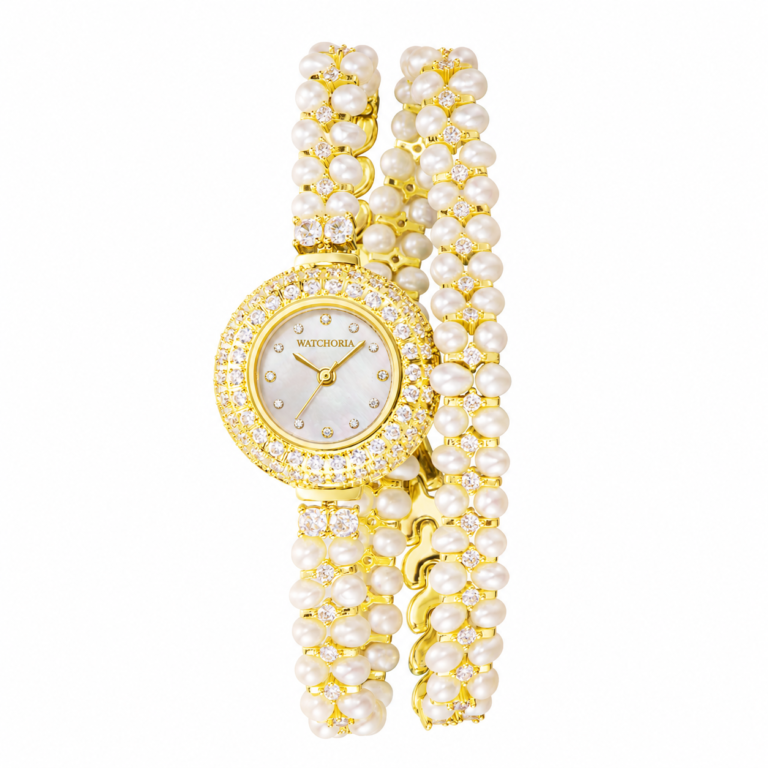
Compare the dial, hands, indices, color, finish and logo placement against the brief. Try the crown, clasp or buckle and verify any functions included in the specification. Measure the agreed case and bracelet dimensions. For bracelet watches, check closure, link movement and the usable wrist-size range. Inspect decorative details for alignment or uneven placement.
Set the checks you want for production
If water resistance, coating durability or a material requirement matters to your market, state the target and ask for the applicable evidence or test method. A visual sample alone cannot verify these properties. Agree acceptance criteria for visible defects, core functions, markings and packaging before placing the bulk order.
Record approval and any open changes
Use photographs and written notes to identify the revision you approve. List unresolved changes by component with an owner and deadline. If a revision affects fit, appearance or function, agree whether another sample is needed. Confirm the approved specification, variant quantities, packaging artwork and any agreed checks with the bulk order.
Buyer checklist
- Sample type, version and photos
- Case and bracelet dimensions, dial legibility, clasp operation and finish
- Market-specific checks, testing scope and acceptance criteria where applicable
- Approved specification, packaging artwork and open actions
For the full brief, read how to prepare a custom watch project brief. You can also review the custom development process or send your project requirements.